Our Mission
We inspire confidence and build skills that help people who are visually impaired and blind to thrive and succeed.
Our History

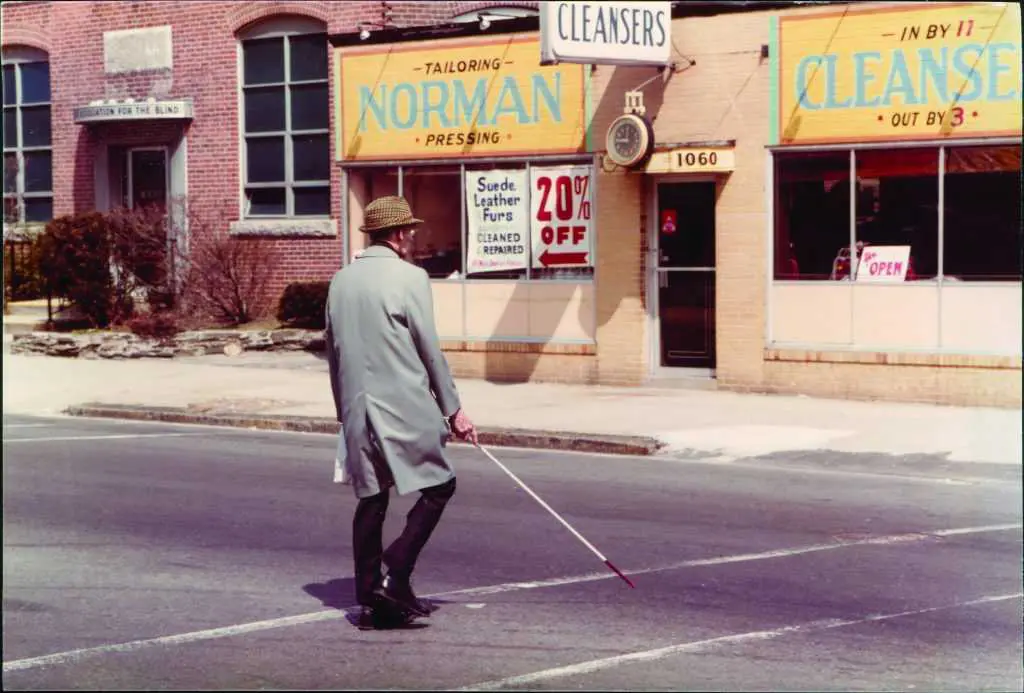



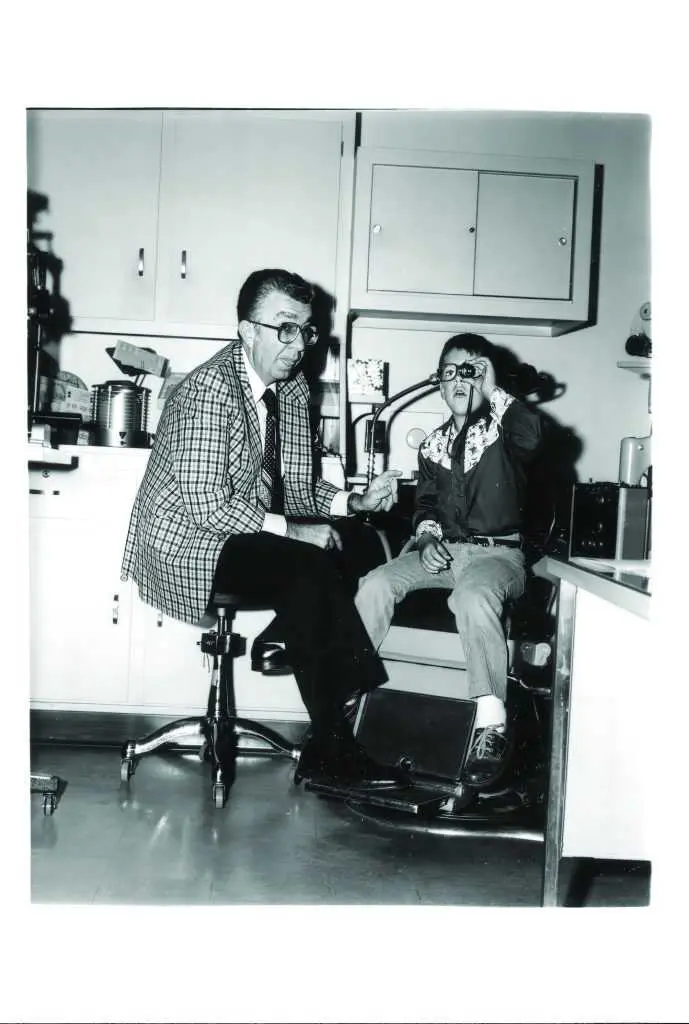
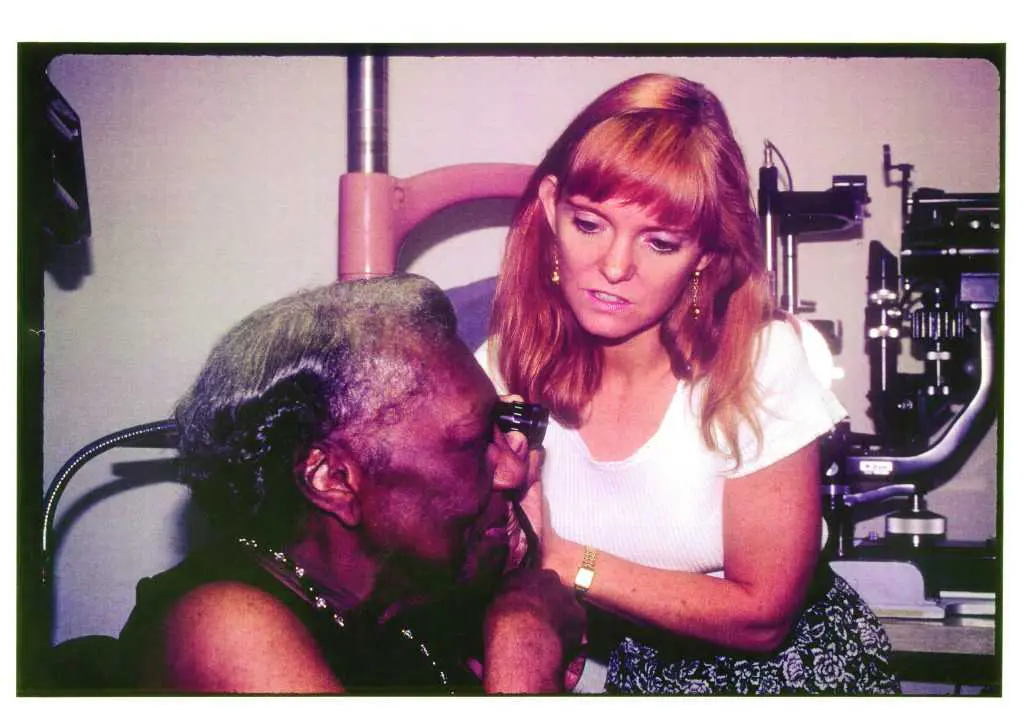
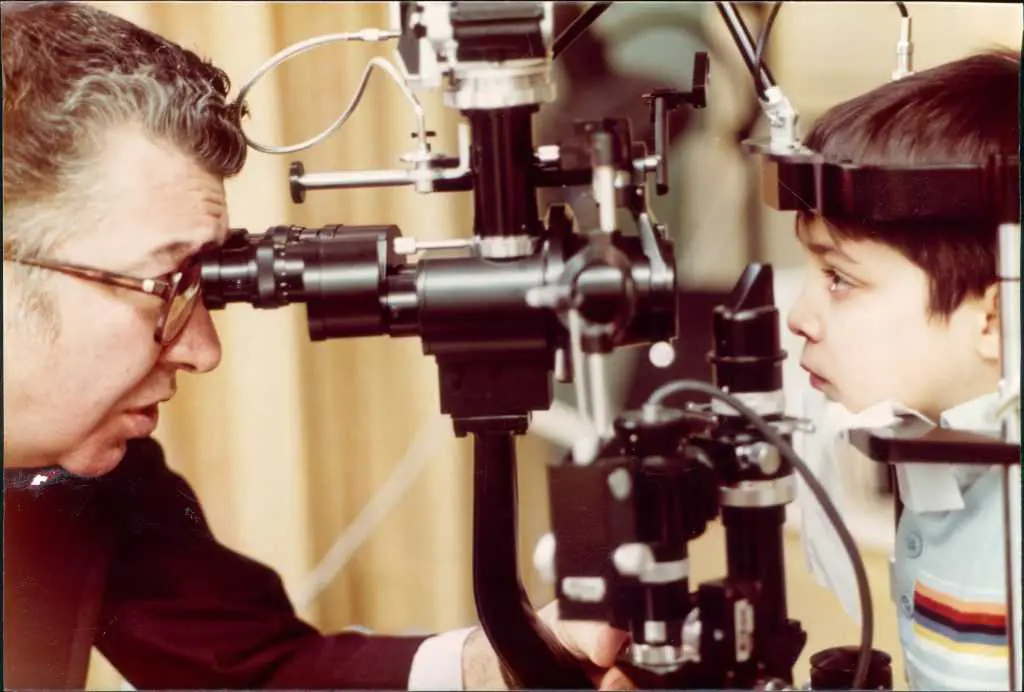

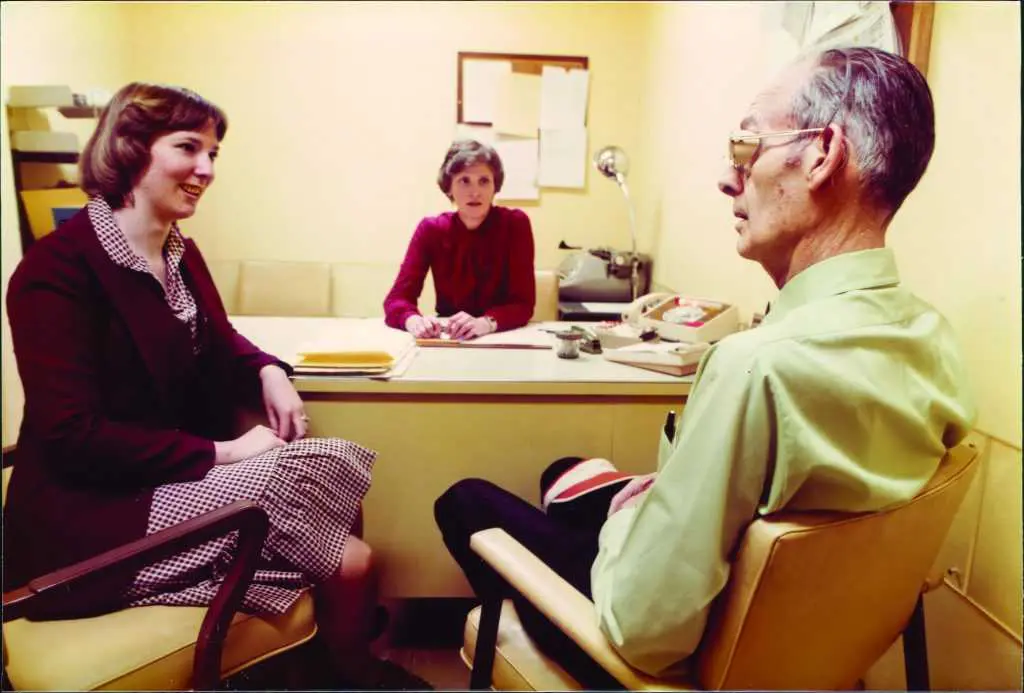


IN-SIGHT is marking the 100th anniversary of its incorporation in 2025. It would be impossible to list all the accomplishments of the agency over the past century, but we have put together a few highlights along with some thoughts on what the future could hold:
Rhode Island Association for the Blind
IN-SIGHT has its roots in a group called the Rhode Island Society for the Blind, which was formed in 1905 by a group of Providence churches looking to incorporate people who were blind into the community through monthly socials and luncheons.
In 1923, the Rhode Island Association for the Blind was formed by a group of volunteers to better meet the needs of people with vision impairments. The group officially incorporated in 1925 under the direction of Jarvis Worden and Board president, Mrs. Rush Sturges.
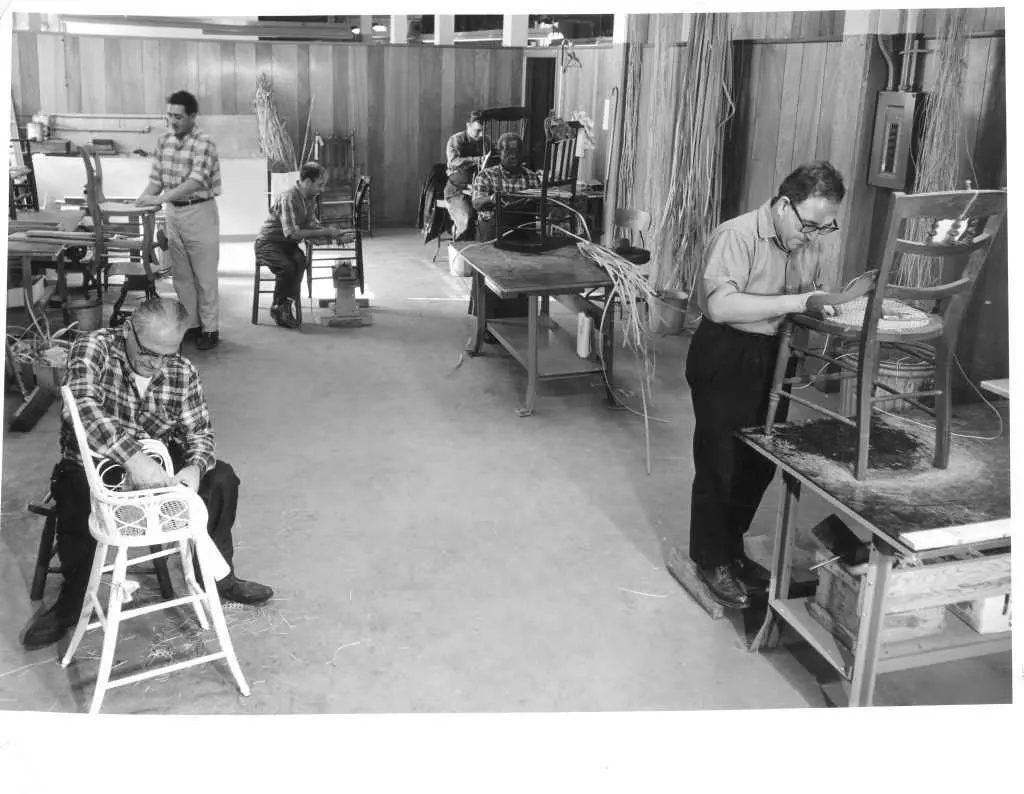
Outlook Chair Caning Shop
The first project of the new organization was creating employment opportunities for blind men. In 1926, the group leased a storefront on Broad Street in Providence with almost a dozen caners. The organization continued to offer chair caning services until 2019.
Helen Worden Becomes Executive Director
Assuming the role from her late husband, Jarvis, Helen Worden became the Association’s full-time leader in 1938, serving in that role for almost forty years. Mrs. Worden’s aunt, who was blind, inspired her to become involved in helping people with visual impairments.
Since Mrs. Worden’s retirement in 1977, only three other people have served in the Executive Director position: Robert Carolan, Judith T. Smith, and current director Christpher Butler.
Helen Keller Visits Providence
In 1938, Helen Keller visited Providence delivering a speech to more than 2,000 people at the former Metropolitan Theater. A hand signed picture of Ms. Keller from the day is displayed at IN-SIGHT.
Historic Arcade Building
In 1945, with the help of local historic preservationist John Nicholas Brown, the Association purchased the historic Arcade building in downtown Providence, saving it from imminent demolition. The Arcade became the organization’s headquarters for more than twenty years and was owned by the agency until the late 1980’s.
Low Vision Clinic
In 1959, local optometrist Frank DiChiara started one of the first low vision clinics in the country, helping people learn how to maximize their remaining vision using magnification, lighting, and other devices.
In 1989, Dr. Helene Bradley, who interned with Dr. DiChiara, took over the clinic and still manages it today.
Rhode Island Radio Information Service
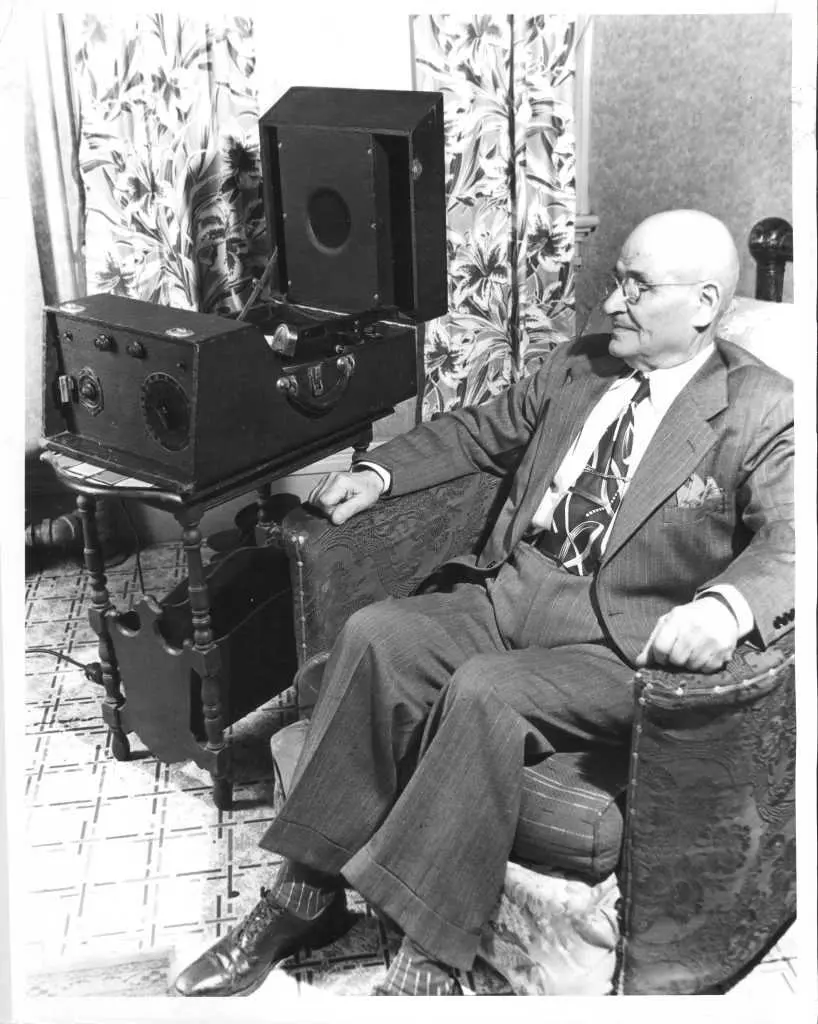
In 1981, a group of volunteers began a free radio reading service, broadcasting on a sub-signal of a college radio station. Each day volunteers came to a broadcast studio to read newspapers, magazines, and books for people who could not access print due to their visual impairment. Listeners accessed the signal through specially programmed radio receivers.
In 1988, the Rhode Island Radio Information Service and the Rhode Association for the Blind merged, becoming IN-SIGHT.
With a precipitous decline in newspaper readership and the ability of people to access information using other technologies, the radio reading service was discontinued in 2022.
Providing Employment Opportunities
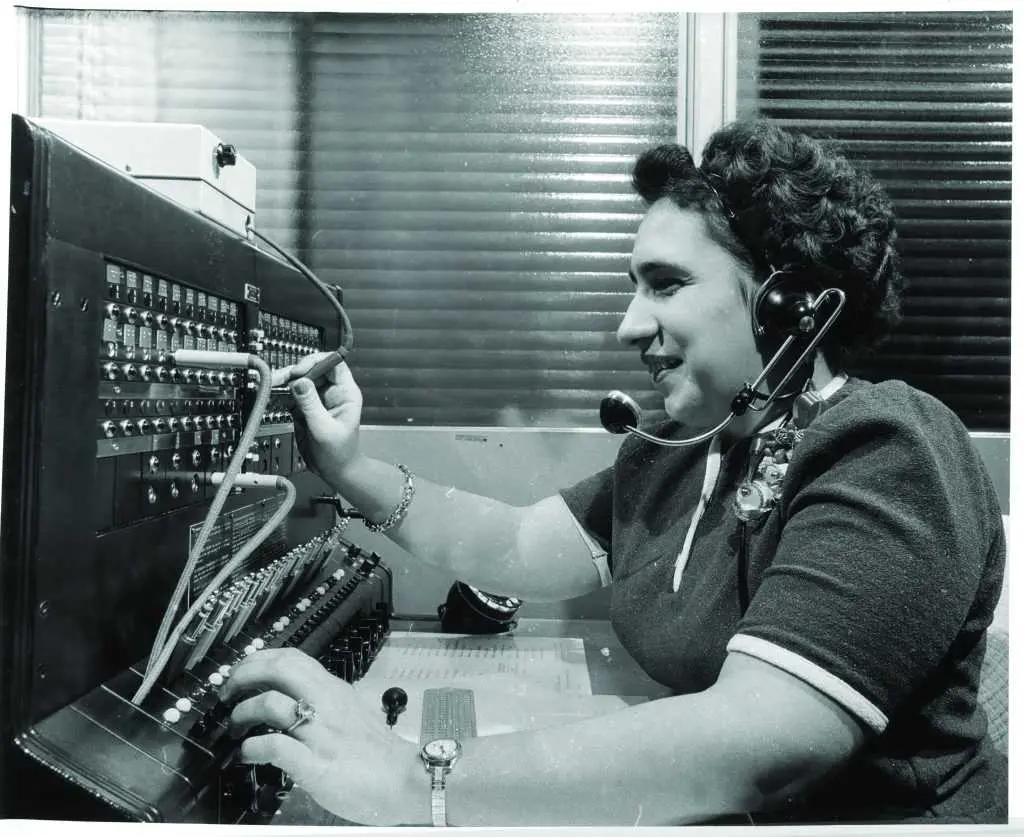
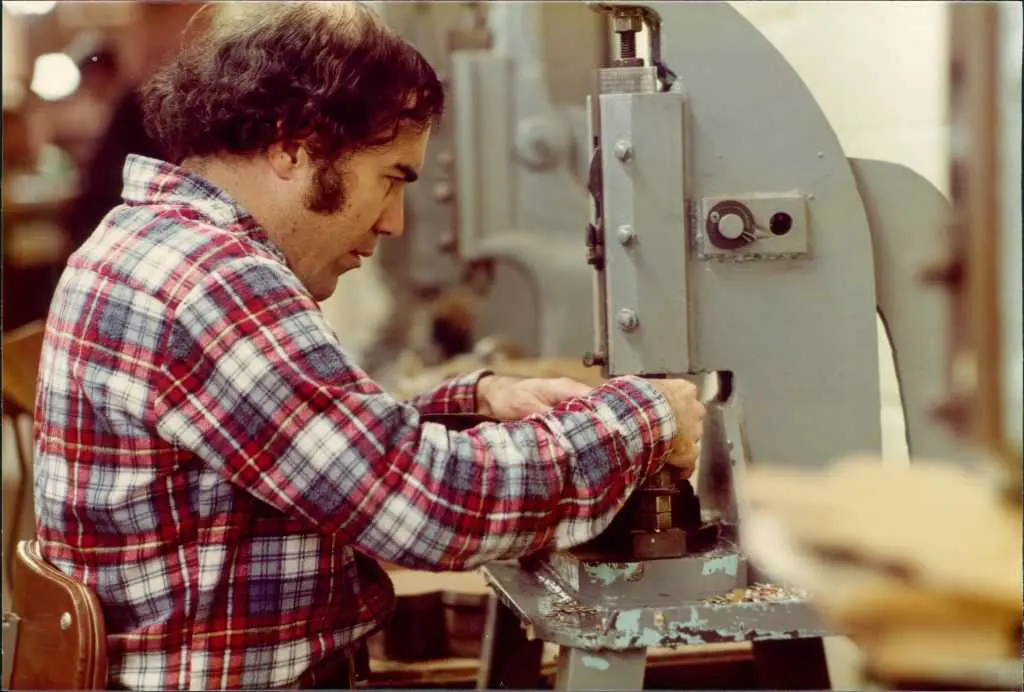
For much of its history, the organization was a source of employment opportunities for people with visual impairments. Starting with the chair caning shop in 1926 and expanding into handicrafts, jewelry assembly, industrial sewing, packaging, and other opportunities such as managing a store on a Navy base in Massachusetts.
The enterprise programs were housed in various locations over the years including the Arcade Building, Independence Square in Pawtucket, an industrial building in Providence, and an East Providence industrial park.
With greater employment opportunities for people with disabilities becoming available, the enterprise programs were phased out starting in 2009.
Building Financial Sustainability
In 1933, C. Prescott Knight made a bequest of $20,000 to the Association to be used as an
endowment to fund the work of the agency in perpetuity. Mr. Knight’s generosity has been duplicated by hundreds of individuals and families since. Today, almost half of the agency’s annual expenses are covered by income from charitable trusts and money invested from bequests.
The Future
What does the future look like for IN-SIGHT?
Our hope is that continuing advances in technology, treatments, and science will some day lead to our mission being fulfilled.
But, for today and likely the next few decades, there is still a lot for us to do.
Despite the incredible advances that have already been made in technology, people living with visual impairments still face several challenges. Our role in teaching people how to overcome the emotional and practical aspects of vision loss is as relevant and needed today as it was when we were formed in 1923. We also still have a lot of work to do to educate the community about blindness, breaking down the misconceptions that are holding people back from being as independent and confident as they can be.
Your continued support for our valuable mission makes a difference in people’s lives each day, and we never take it for granted.